
Oklahoma City is a genuinely good move for families, budget-conscious movers, and professionals in energy, aerospace, or healthcare. The cost of living index sits around 96.1, roughly 4% below the national average, which means your paycheck stretches noticeably further than in most Sun Belt cities. The Greater Oklahoma City Chamber publishes a Welcome Guide with local contacts, permit information, and community resources that makes the first weeks far less chaotic. Public transit exists, including EMBARK’s bus network and the OKC Streetcar, though most residents drive. If you are still deciding, the smartest first step is a short-term rental in your target neighborhood before committing to a lease or purchase, and reaching out to Movecraftmoving for coordinated carrier vetting and logistics support.
- Best fit: Families prioritizing school quality and space, young professionals in energy or healthcare, and anyone leaving a high-cost metro.
- Key draw: Housing and everyday costs run below the national average, with a median home price that makes ownership realistic on a mid-range income.
- Transit note: Public transit includes a bus network operating 22 lines and a downtown streetcar; however, most residents still rely on cars for daily errands.
- First move: Rent short-term in your top-choice neighborhood, then buy once you know the commute and school zone firsthand.
Key Takeaways
Oklahoma City is a strong relocation choice for families and professionals who prioritize affordability, space, and a stable job market, provided they choose their neighborhood carefully and prepare for tornado season.
Table of Contents
- Where should you live when relocating to Oklahoma City?
- What does it cost to live in Oklahoma City?
- What jobs are available in Oklahoma City?
- How do schools and childcare work in Oklahoma City?
- Getting around OKC: what you need to know about commuting
- What is daily life like in Oklahoma City?
- Oklahoma City weather and tornado preparedness
- Your step-by-step moving timeline for an OKC relocation
- What most relocation guides get wrong about moving to OKC
- Movecraftmoving makes your OKC relocation predictable
- Sources
Where should you live when relocating to Oklahoma City?
OKC is not one city; it is a collection of distinct neighborhoods with very different personalities, price points, and safety profiles. Getting this choice right matters more than almost any other decision in your relocation.
Family-focused neighborhoods and suburbs
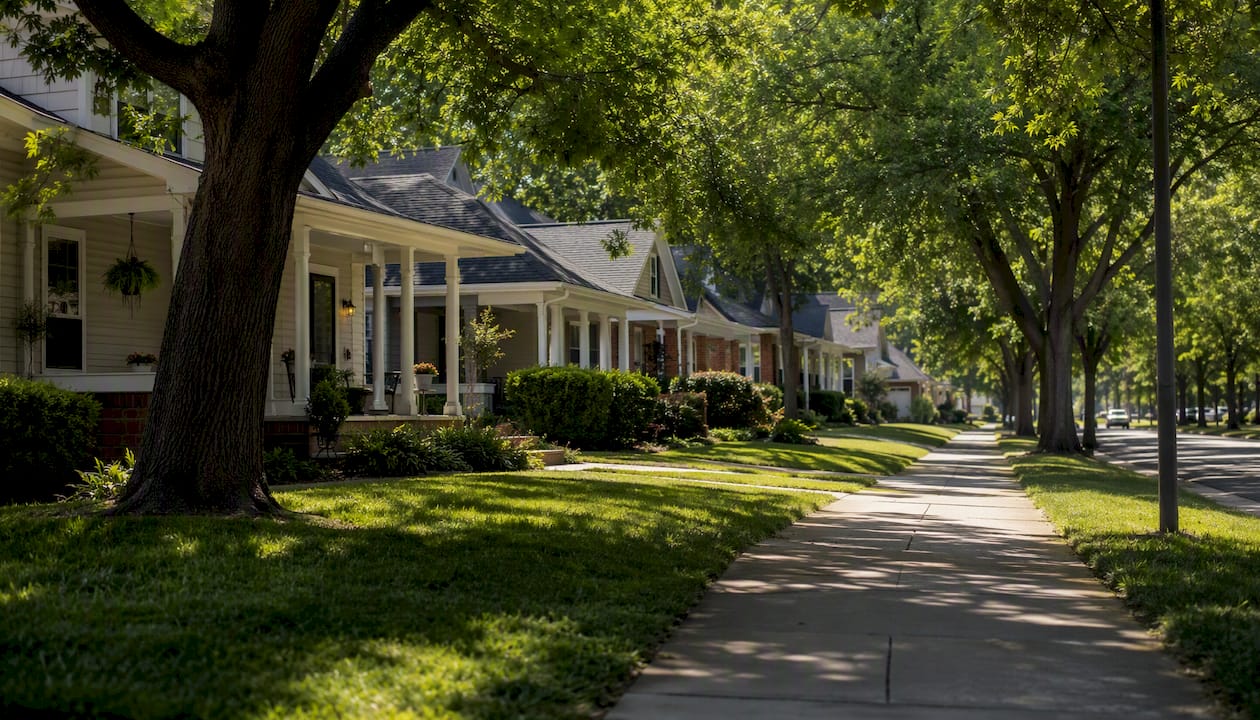
Edmond is the suburb most families target first. Its public schools consistently rank among the strongest in the state, and the housing stock runs from mid-range single-family homes to larger lots with room for a yard. Yukon and Mustang offer similar school quality at slightly lower price points, both with short highway access to downtown OKC. Inside the city limits, Nichols Hills and the Quail Creek corridor are established, tree-lined neighborhoods with strong school zones and low crime.
Singles and young professionals
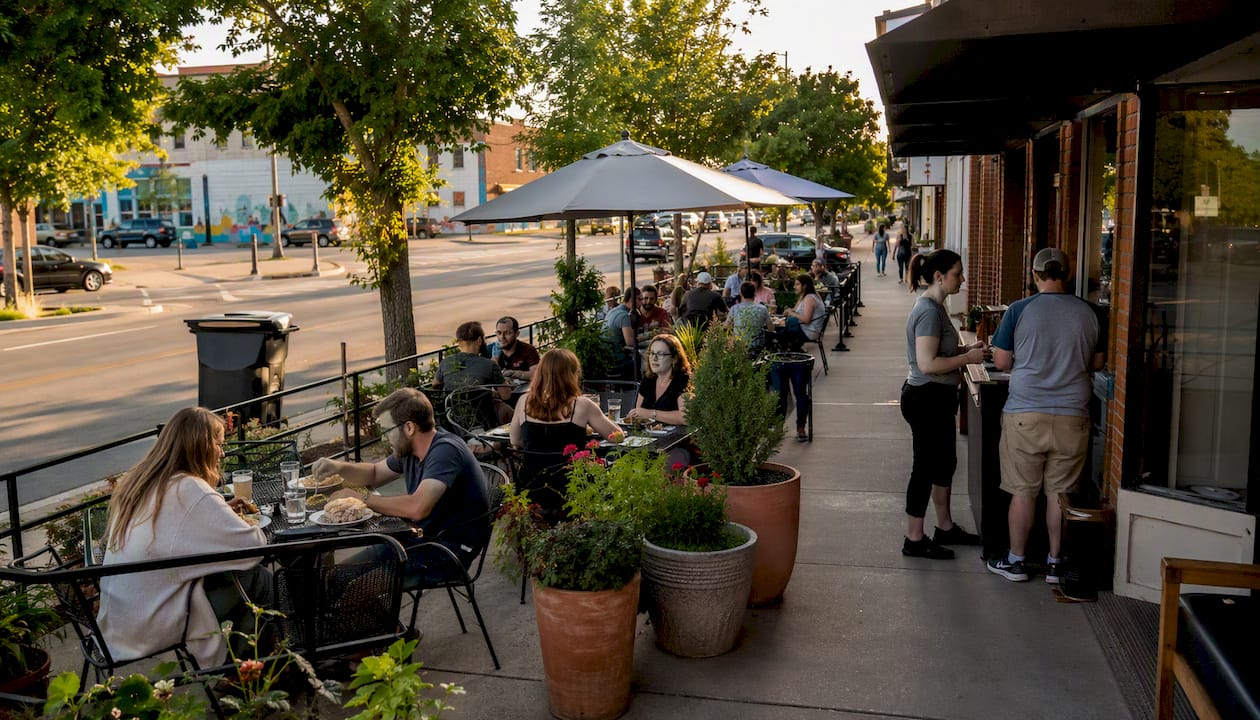
Midtown and the Plaza District attract renters who want walkable blocks, independent restaurants, and a short commute to downtown employers. Bricktown is more tourist-facing but sits close enough to downtown offices that some professionals choose it for the convenience. The Paseo Arts District draws creative-industry workers who want character in their block without paying Austin prices.
Budget-friendly options
Del City and Warr Acres offer some of the lowest rents in the metro with reasonable highway access. Moore is worth a look for buyers: it sits just south of OKC, has its own school district, and home prices remain competitive.
Safety: what the data actually says
Crime rates vary significantly across OKC neighborhoods, and citywide averages hide a lot. Some districts have very low incident rates; others see elevated property crime. Do not rely on a single number. Check the Oklahoma City Police Department’s online crime map, cross-reference with neighborhood-level data on the city’s open data portal, and walk the blocks at different times of day.
The Greater Oklahoma City Chamber’s relocation resources are a practical starting point for newcomers. The Chamber’s Welcome Guide lists community contacts, neighborhood associations, and city services that help you ask the right questions before you sign a lease.
Pro Tip: Rent for three to six months in your target neighborhood before buying. OKC’s market moves fast in popular suburbs, and a short-term lease gives you real data on commute time, school-zone boundaries, and street-level safety before you commit six figures.
What does it cost to live in Oklahoma City?
The cost-of-living index around 96.1 means OKC runs about 4% cheaper than the U.S. average across housing, groceries, utilities, and transportation combined. That gap is modest in percentage terms but meaningful in monthly dollars, especially for families moving from coastal metros where that same income bought a lot less.
Rent and home prices
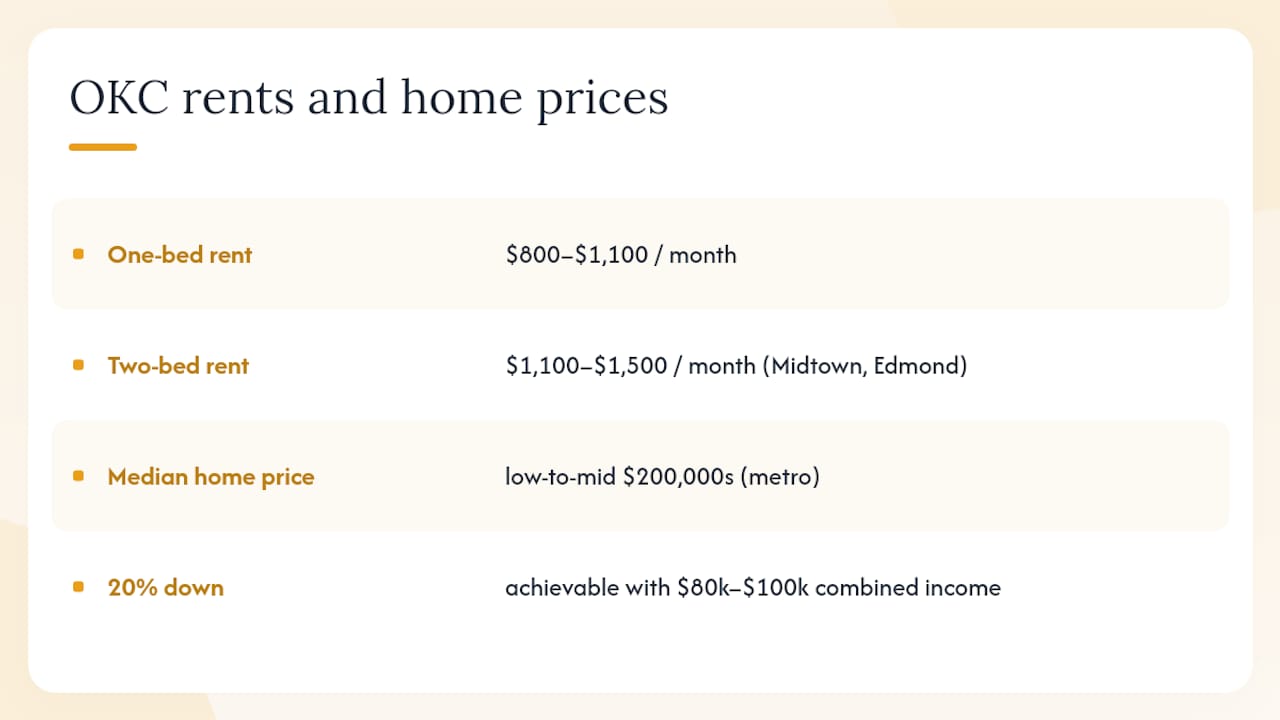
A one-bedroom apartment in a mid-tier OKC neighborhood typically runs between $800 and $1,100 per month. Two-bedroom units in desirable areas like Midtown or Edmond range from $1,100 to $1,500. Median home prices in the metro sit in the low-to-mid $200,000s, though popular suburbs like Edmond push higher. For buyers, that price point means a 20% down payment is achievable on a combined household income of $80,000–$100,000, depending on debt load and current mortgage rates.
Sample monthly budgets
Utilities in Oklahoma run higher in summer due to air conditioning demand. For authoritative state-level electricity pricing, the EIA’s state electricity price tables are the most reliable budgeting reference. Oklahoma’s property tax rates are moderate by national standards, which helps keep the total cost of ownership lower than comparable Midwest metros.
- When to rent first: If you are relocating without a job offer in hand, or moving from out of state without visiting, rent for at least three months.
- When to buy immediately: If you have a firm job start date, have visited the target neighborhood, and plan to stay five-plus years, buying from the start often makes financial sense given OKC’s price-to-rent ratio.
- Utility setup: Start transferring utilities at least two weeks before move-in to avoid gaps in service.
For grocery-cost benchmarking when building your relocation budget, the USDA Agricultural Marketing Service retail price report provides a useful national baseline to compare against OKC’s local prices.
What jobs are available in Oklahoma City?
OKC’s economy is more diversified than its oil-patch reputation suggests, though energy still anchors it. The metro has added healthcare, aerospace, and logistics jobs steadily over the past decade, which gives the labor market more resilience than a single-industry town.
- Energy and oil & gas: Major producers and service companies maintain large operations here. The sector drives high-paying engineering, geology, and finance roles.
- Aviation and aerospace: Tinker Air Force Base is one of the largest single-site employers in Oklahoma, supporting thousands of civilian and contractor positions in maintenance, logistics, and defense technology.
- Healthcare: Integris Health, SSM Health, and OU Health anchor a growing medical corridor that employs nurses, administrators, and specialists at scale.
- Logistics and distribution: OKC’s central geography and highway access make it a natural distribution hub. Warehouse and supply-chain roles are consistently available.
- Government and education: State agencies, Oklahoma City Public Schools, and nearby universities generate stable public-sector employment.
The metro’s unemployment rate has historically tracked at or below the national average, though it fluctuates with energy prices. If your job search is still active when you arrive, time your move to land at least two weeks before your target start date. That buffer handles the inevitable delays in getting internet connected, finding parking, and learning the commute. For readers relocating for work, minimizing productivity loss during the transition is worth planning explicitly.
How do schools and childcare work in Oklahoma City?
School quality in OKC is neighborhood-dependent, which is the single most important thing families need to understand before choosing where to live.
Public school districts
Oklahoma City Public Schools (OKCPS) serves the urban core and has a mixed performance record across its schools. The suburban districts are where most families with school-age children focus their search. Edmond Public Schools and Yukon Public Schools consistently earn higher state ratings. Deer Creek and Mustang school districts also draw families specifically for their academic programs and extracurricular offerings. Before signing any lease or purchase contract, verify the exact school zone for that address on the district’s website, not just the neighborhood name.
Private schools and childcare
Private school options include both faith-based and independent schools spread across the metro. Waitlists at popular private schools can run six to twelve months, so apply early if that is your plan. Childcare availability varies by zip code; licensed daycare centers in high-demand suburbs often have waitlists as well. Visit in person and ask about staff turnover, which is a more reliable quality signal than star ratings alone.
Higher education
The University of Oklahoma in nearby Norman is the metro’s flagship research university and shapes housing demand in the Norman corridor. Oklahoma State University has an OKC presence through its medical center. These institutions influence rental markets in adjacent neighborhoods and provide continuing education, workforce development, and cultural programming that benefits the broader metro. For families planning ahead, average college costs by state give useful context for longer-term financial planning.
Getting around OKC: what you need to know about commuting
The honest answer is that you will almost certainly need a car. OKC was built for the automobile, and most daily errands, school runs, and work commutes require one.
That said, the city has invested in alternatives. EMBARK operates 22 bus lines across the metro, and the OKC Streetcar runs a loop through downtown, Midtown, and Bricktown. For short downtown trips, the Spokies bike-share service covers key stations and connects to the city’s growing network of bike paths. None of these replace a car for suburban living, but they reduce the need for a second vehicle if you work downtown.
- Typical commute: Most OKC commutes run 20–35 minutes by car. Traffic peaks on I-35, I-40, and the Broadway Extension during standard rush hours.
- Park-and-ride: EMBARK operates park-and-ride lots that cut downtown parking costs for regular commuters.
- Bike infrastructure: The trail network around the Oklahoma River and Lake Hefner is well-maintained and popular for recreation; urban bike commuting is limited but growing.
Pro Tip: If your move lands you in Bricktown, Midtown, or the Paseo Arts District, contact the city’s transportation department at least a week before moving day to confirm loading-zone rules and whether you need a temporary parking permit for the moving truck. Narrow streets and active pedestrian zones in these areas can create real logistical problems without advance coordination.
What is daily life like in Oklahoma City?
OKC has more going on than most people expect before they arrive. The arts and food scenes have grown substantially, and the city’s professional sports culture gives it an energy that smaller metros lack.
- Parks and outdoor spaces: Myriad Botanical Gardens in downtown OKC is a notable urban park, featuring extensive gardens and a distinctive crystal bridge conservatory. Lake Hefner and Lake Overholser offer sailing, fishing, and trail running within city limits.
- Arts and culture: The Paseo Arts District hosts galleries and studios in a walkable Spanish-revival block. The Philbrook Museum of Art brings world-class rotating exhibitions to the metro. The Oklahoma City Museum of Art anchors the downtown arts corridor.
- Food: The fried onion burger is the local specialty worth seeking out, born in El Reno and still served at classic diners. The barbecue scene is serious, and the craft brewery and independent restaurant count has grown sharply over the past decade. Bricktown’s restaurant row is tourist-facing but convenient; the Plaza District and Paseo have the more interesting independent spots.
- Sports: The Oklahoma City Thunder (NBA) gives the city a major-league identity that punches above its population weight. College football is a near-religion, with OU Sooners games drawing the metro together on fall Saturdays.
- Festivals: The Festival of the Arts in April and the Red Earth Native American Cultural Festival in June are two of the larger annual events that shape the spring social calendar.
Neighborhood choice shapes how much of this you actually use. Residents in Midtown or the Plaza District walk to restaurants and galleries. Suburban families in Edmond or Yukon drive in for events and spend weekends on trails and youth sports.
Oklahoma City weather and tornado preparedness
Summers in OKC are typically hot, with temperatures often reaching into the mid-to-upper 90s°F during June through August. Winters are variable: mild stretches interrupted by ice storms that can shut the city down for a day or two. The climate is dry enough that the heat feels more manageable than Houston or New Orleans, but air conditioning is not optional.
The bigger planning factor is tornado season. Oklahoma City sits in Tornado Alley, and the April–June window brings real severe-weather risk. This is not abstract: OKC has been hit by significant tornadoes within living memory, and residents treat storm preparedness as a practical routine rather than an edge-case concern.
- Storm shelters: Many newer homes and apartment complexes advertise storm shelters or reinforced safe rooms. Make this a checklist item when evaluating properties.
- Alert systems: Download the NOAA Weather app and register for Oklahoma City’s emergency alert system. Local TV meteorologists in OKC are exceptionally skilled at storm tracking; keep a local channel accessible during severe-weather watches.
- Emergency kit: Water, flashlight, battery radio, and a three-day food supply are standard household basics here.
Pro Tip: Schedule your move outside the April–June storm window if you have any flexibility. Spring is peak severe-weather season, and a tornado watch can delay a moving truck by hours or force a rescheduled delivery. Late July through September is hot but logistically cleaner.
Your step-by-step moving timeline for an OKC relocation
A well-sequenced timeline prevents the most common moving-day disasters. Work backward from your move-in date.
- 8 weeks out: Confirm your target neighborhood and housing. If buying, begin the mortgage pre-approval process. If renting, sign the lease and get the move-in date in writing.
- 7 weeks out: Request quotes from vetted carriers. For a long-distance move, get at least three binding estimates. Movecraftmoving handles carrier vetting and quote comparison so you are not evaluating movers cold.
- 6 weeks out: Notify your current utility providers of your move-out date. Schedule new utility connections in OKC to start the day before move-in.
- 5 weeks out: Begin decluttering. Items you do not move are items you do not pay to move. Donate, sell, or discard anything that does not earn its place in the truck.
- 4 weeks out: Confirm your moving carrier and lock the date. If your move crosses state lines, review interstate vs. intrastate regulations so you know what your carrier is legally required to provide.
- 3 weeks out: Contact Oklahoma City’s transportation department about loading-zone permits if you are moving into Bricktown, Midtown, or any dense urban block. Reserve elevator time if moving into a multi-story building.
- 2 weeks out: Pack non-essentials. Label boxes by destination room, not just contents. Confirm your carrier’s arrival window and get a direct contact number for the crew lead.
- Moving week: Prepare your vehicle for the trip. A pre-move car checklist covers fluids, tire pressure, and registration paperwork you will need at the Oklahoma DMV.
Moving cost factors to plan for: Distance, total inventory weight, access difficulty (narrow streets, no elevator, long carry from truck to door), and season all affect price. Moving during peak summer months or the spring storm season can push costs higher due to demand and weather delays.
Statistic note: Local relocation guides consistently report that a coordinated, full-service inbound move to OKC for a two-bedroom household runs meaningfully less than comparable moves into higher-cost metros, reflecting both lower labor rates and shorter average drive times within the metro.
A relocation coordinator manages the carrier vetting, permit coordination, and timeline sequencing so you are not tracking five vendors simultaneously while also starting a new job.
What most relocation guides get wrong about moving to OKC
The standard advice is to focus on affordability first. That is not wrong, but it is incomplete. Affordability is the floor, not the deciding factor. The families and individuals who have the smoothest transitions to OKC are the ones who spent real time on neighborhood fit before they signed anything.
Two people can move to Oklahoma City at the same income level and have completely different experiences based solely on which zip code they chose. One ends up in a walkable district with a 15-minute commute and a school their kids love. The other ends up in a suburb that looked fine on a map but adds 45 minutes to every workday and requires a school transfer six months later.
The practical implication: do not let a low home price override a bad school zone or a commute that will grind you down. OKC is affordable enough that you can afford to be selective. Use that leverage.
Movecraftmoving makes your OKC relocation predictable
Relocating to Oklahoma City involves more moving parts than most people anticipate: carrier selection, loading-zone permits in walkable districts, utility sequencing, storm-season timing, and the sheer logistics of a long-distance move landing in an unfamiliar city.

Movecraftmoving coordinates all of it. The team vets carriers for licensing, insurance, and performance history, then manages the timeline so your truck arrives when your utilities are live and your building access is confirmed. For families relocating to OKC specifically, the full-service relocation benefits include permit coordination, storage solutions when move-in dates do not align perfectly, and a single point of contact who knows OKC’s neighborhood logistics. Get your quote started today and move into your new chapter with a plan that holds.
Sources
These are the primary sources worth bookmarking before and after your move.
- Moving to Oklahoma City? 15 Things You Need to Know | ApartmentGuide
- Greater Oklahoma City Chamber – Relocation Guide
- Ou
- Eia
- Educationdata
Recommended
- Minimize Productivity Loss During Relocation: A Practical Plan – Move Craft Moving Solutions LLC
- Business Relocation Strategy: A Step-by-Step Guide – Move Craft Moving Solutions LLC
- Why East Coast Relocations Are Complex: 2026 Guide – Move Craft Moving Solutions LLC
- How to Prepare Your Car for Long Distance Relocation – Move Craft Moving Solutions LLC