
Start planning well in advance before moving day: get a veterinary checkup and paperwork sorted, pick the transport method that keeps your pet closest to you, usually driving, and set up a quiet “home base” the moment you arrive. Your top three priorities are transport safety, getting the paperwork right for your destination, and cutting down on post move stress. Groups like the ASPCA and American Humane back this exact order of operations.
TL;DR:
- Moving with pets requires early planning, including vet visits and microchip updates, at least 4 to 6 weeks before the move.
- Driving is generally the safest and most recommended method, as it keeps pets close and under your control throughout the trip.
- International and interstate moves involve complex, time-consuming paperwork, often requiring veterinarian endorsement weeks in advance.
- Creating a safe, contained “home base” upon arrival helps pets adjust, while familiar scent objects can significantly reduce stress.
- Professional moving coordination can minimize chaos, shortening home disruption and distress moments, especially during long-distance relocations.
Table of Contents
- Your Pet-Focused Moving Timeline: What To Do and When
- What Do Vets and Regulators Require Before You Move?
- Should You Drive, Fly, or Hire a Pet Transport Service?
- How Do You Keep Pets Safe on Moving Day?
- How Do You Handle Rest Stops on a Long Drive With Pets?
- How Do You Set Up a Pet’s “Home Base” in a New Home?
- Species-Specific Tips for Moving With Pets
- What Should Be in Your Pet Travel Essentials Kit?
- How Movecraftmoving Coordination Reduces Pet Stress During a Move
- Three Things to Get Right When Moving With Pets
- Move Craft Handles the Move So You Can Handle Your Pet
- Where to Verify Pet Moving Rules and Guidance
- Sources
- FAQ
Your Pet-Focused Moving Timeline: What To Do and When
Movers plan around furniture. Pets need their own schedule, and it starts earlier than most people think.
- 6 to 4 weeks out: Book the vet visit, decide drive versus fly versus professional transport, and start crate or carrier acclimation if your pet isn’t already comfortable with one.
- 3 to 2 weeks out: Confirm the health certificate timing with your vet, register or update your pet’s microchip, and book pet-friendly lodging for any overnight stops.
- 1 week out: Pack the pet essentials kit, update tags with your new address, and start feeding your pet in the room that will become their moving-day safe space.
- Moving day: Contain your pet in a quiet room or off-site location, load carriers last, and do a final walk-through check before leaving.
The biggest decision point comes early: interstate moves trigger different paperwork than a move within the same state, and international relocation adds weeks to the timeline. Flying instead of driving changes almost everything else on this list, from carrier requirements to how far ahead you need to book. Movecraftmoving’s relocation checklist covers the non-pet side of this same timeline if you’re coordinating a full household move at the same time.
What Do Vets and Regulators Require Before You Move?
Schedule the vet visit 2 to 4 weeks before departure, not the week of. That window gives your veterinarian time to update vaccinations, review any medications your pet takes for anxiety or motion sickness, and confirm your pet is fit to travel.
Domestic pet travel rules aren’t uniform. APHIS sets no single national standard for moving a pet between states. Each destination state’s animal health official decides its own entry requirements, so a health certificate valid for one state may not satisfy another.
Statistic callout: International pet travel adds real lead time. Endorsing a health certificate through VEHCS, APHIS’s system for certificate endorsement, can take weeks once you factor in fees and processing, so anyone shipping a pet overseas should contact a USDA-accredited veterinarian well before booking flights.
Pack these documents where you can reach them, not buried in a moving box:
- Current vaccination certificate and rabies tag
- Written medication list with dosing instructions
- Microchip registration number and the company’s contact information
- Your vet’s phone number and, if crossing state lines, the destination state’s animal health contact
If you’re crossing state lines, review interstate moving compliance alongside your pet paperwork. Regulatory surprises tend to stack up on moving day if nobody checks them in advance.
Should You Drive, Fly, or Hire a Pet Transport Service?
Driving is the option American Humane recommends most often, and for good reason: it keeps your pet with you, on your schedule, with no strangers handling their carrier. Pets need to be secured the entire trip, either in a ventilated crate, a carrier, or a harness clipped to the seatbelt. Never leave a pet alone in a parked car. Interior temperatures can climb to dangerous levels within minutes, even with the windows cracked.
Flying makes sense when the distance makes driving impractical. Before booking:
- Check whether your airline allows the species and size in-cabin, or only in cargo
- Book pet space early since airlines cap how many animals travel per flight
- Confirm crate dimensions meet the carrier’s exact specifications, not just general airline guidance
Professional pet transport is worth considering for very long hauls, multiple pets, or animals that can’t tolerate a car for days at a stretch. Ask any transport company for written handling protocols, proof of temperature-controlled vehicles, and verifiable references before you sign anything.
Pro Tip: If you’re driving your own vehicle for the move, review our guide on preparing a car for long-distance relocation before you load anyone, human or animal, in for the trip.
How Do You Keep Pets Safe on Moving Day?
Moving day is chaos by design. Doors stay open, strangers walk through the house, and your pet has no idea any of it is temporary. Here’s how to keep that chaos from turning into an escape:
- Move your pet into a labeled, closed room, or better, off-site with a friend or boarder, before the truck arrives.
- Assign one person, not the movers, to handle your pet’s food, bathroom breaks, and eventual loading into the car.
- Load carriers and leashes last, right before you leave, so your pet isn’t confined longer than necessary.
- Double-check every door and screen is latched before opening the house to the moving crew.
If a pet does slip out, act fast: check the immediate area first, since scared animals often hide close by rather than run far. A registered, updated microchip dramatically speeds up reunions with animal control or shelters, which is exactly why updating that registration belongs on your pre-move checklist, not your someday list. If you’re hiring movers, our questions to ask before you hire covers how to confirm a crew understands pet-safe timing.
How Do You Handle Rest Stops on a Long Drive With Pets?
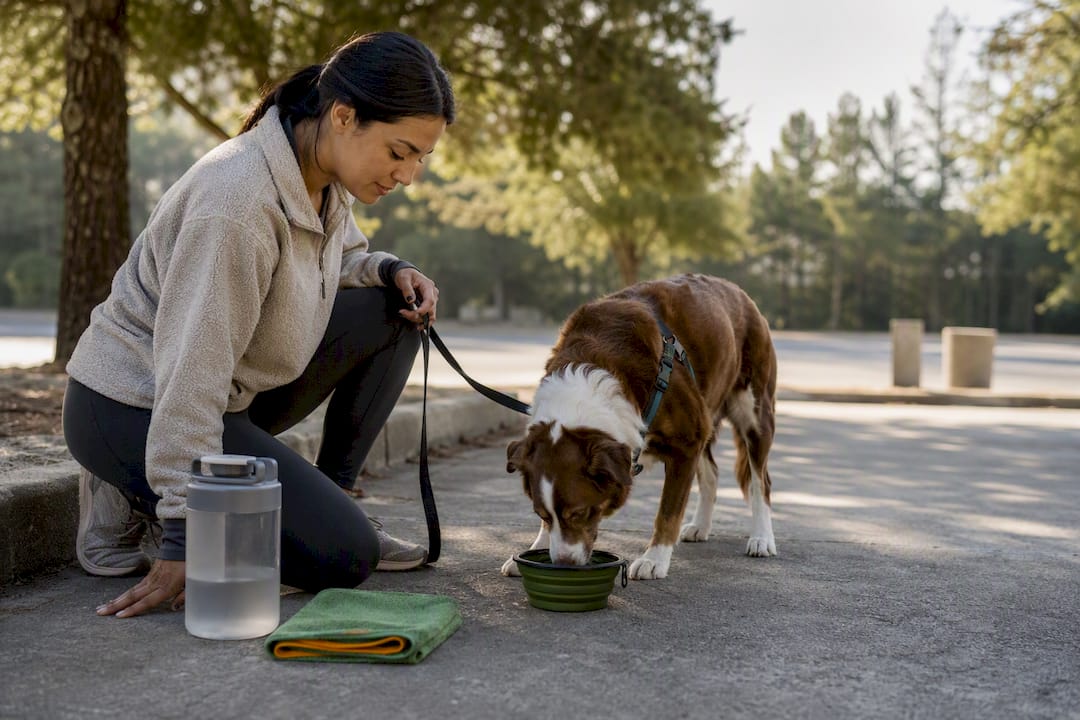
Long-distance moving with pets across state lines means building the trip around your animal’s bladder and stress tolerance, not just your GPS estimate. American Humane recommends breaking the drive into segments with rest stops roughly every 2 to 4 hours for dogs. Cats and small pets generally do better staying in their carrier the whole ride, with a quick check-in at each stop instead of a walk.
Statistic callout: Parked-car temperatures can reach dangerous levels within minutes, even on mild days, which is why pets should never be left alone in a vehicle, not for a quick bathroom break and not for a five-minute coffee run.
- Pack medication doses pre-measured for each travel day, not the whole bottle loose
- Bring absorbent pads for the carrier in case of motion sickness or accidents
- Watch for excessive panting, drooling, or lethargy, all signs a pet needs a longer break
A quick stop for a muddy paw or a car mess doesn’t have to derail the day. This guide on handling a muddy dog in the car covers the fast cleanup moves worth knowing before you hit the road.
How Do You Set Up a Pet’s “Home Base” in a New Home?
The single most common mistake pet owners make on arrival day is letting the animal explore the whole house at once. An unfamiliar, half-furnished home is sensory overload, and it’s how skittish cats end up wedged behind a water heater for two days.
Set up one room first, with familiar bedding, water, food, and a litter box if you have a cat. Keep the pet contained there until they seem calm, then open the rest of the house gradually, room by room, over several days rather than all at once.
- Keep feeding and walk times as close to the old schedule as possible
- Check every room for hazards before your pet gets access: loose cords, gaps behind appliances, unsecured window screens
- Remove any toxic houseplants already on the property, and check for leftover pest poison from a previous tenant
- Call your vet or a behaviorist if hiding, appetite loss, or aggression lasts more than a few days
Pro Tip: Keep one piece of unwashed bedding from your old home in the new “home base” room. Familiar scent does more to calm a stressed pet than almost anything else you can control on day one.
Species-Specific Tips for Moving With Pets
A dog and a bearded dragon do not have the same moving day. Here’s what changes by species:
- Dogs: A secured harness works for shorter car rides, but a crate is safer for long stretches or flights. Watch closely for heat stress at every rest stop, especially short-nosed breeds.
- Cats: Start carrier acclimation weeks ahead, not the morning you leave. Expect hiding behavior for several days after arrival, and keep the litter box in the same relative spot as your last home if possible.
- Birds: Cover the cage during transport to reduce visual stress, and keep the vehicle temperature stable. Birds are especially sensitive to drafts and temperature swings.
- Small mammals (rabbits, guinea pigs, hamsters): Use a secure, well-ventilated carrier and skip food changes right before travel. Digestive upset is common under stress.
- Reptiles: Maintain temperature with travel heat packs, since even a short cold exposure can be dangerous for cold-sensitive species.
- Fish: Bag or transport in a portable tank with minimal water changes, and acclimate them slowly to any new water source once you arrive.
What Should Be in Your Pet Travel Essentials Kit?
Pack this kit yourself and keep it in your car, never on the moving truck.
- Food and water for 3 to 7 days, plus your pet’s regular bowls
- All medications with written dosing instructions
- Vaccination records and microchip registration details
- Collar, ID tags, leash, and a backup leash
- Carrier or crate, plus absorbent pads and basic cleaning supplies
- Your vet’s contact number and the destination area’s emergency vet if you have it
- Comfort items: familiar bedding, an unwashed t-shirt with your scent, and one or two favorite toys
Skip the temptation to buy all-new bowls and beds for the new place. Familiar objects do real work calming a stressed animal, and this isn’t the week to test new gear.
How Movecraftmoving Coordination Reduces Pet Stress During a Move
A chaotic house is hard on pets longer than it needs to be. That’s the piece of pet relocation most guides skip: the actual moving process, not just the drive.
Professional moving coordination services connect households with vetted carriers and manage the logistics that determine how long your home stays disrupted, tighter delivery windows, coordinated vendor timing, and a single point of contact instead of multiple phone numbers to track. That matters directly for pets, since a shorter chaos window on move day means less time your animal spends anxious in a back room.
- Every carrier partner goes through vetting for compliance and consistency before being matched to a move
- Relocation checklists cover paperwork, timing, and coordination details beyond just pets
- Guidance is available for complex situations, including moves involving seniors, specialty items, or multi-stage logistics
Three Things to Get Right When Moving With Pets
Start earlier than feels necessary. Four to six weeks sounds generous until you’re waiting on a vet appointment or a health certificate endorsement the week before your move. Paperwork and transport safety come before anything else on the list, because those are the two things you can’t fix after the fact.
Watch your pet’s behavior for a few weeks after arrival, not just the first night. Emotional adjustment lags behind the physical move. If a complex relocation is stacking up alongside the pet logistics, coordinating with a service that manages timing can take one major variable off your plate.
— Info
Move Craft Handles the Move So You Can Handle Your Pet
Movecraftmoving exists for exactly this moment: when the move itself is one more stressor you don’t have bandwidth for on top of managing an anxious dog or a hiding cat. Rather than juggling carriers, contracts, and timing yourself, moving coordination services connect you with vetted movers who work around a schedule you set, including narrower delivery windows that shorten how long your home stays in disarray.

For long-distance moves specifically, that coordination matters even more. A pet stuck in a car or crate for an extra unplanned day because of a logistics mix-up is avoidable. Movecraftmoving’s team handles long-distance moving coordination, carrier vetting, and documentation questions so your focus stays on your pet’s comfort instead of freight schedules. If your move includes a full household, full-service residential moving covers packing and logistics so you can dedicate moving day itself to your pet’s safe room and transition. You can request a quote through moving coordination services’ sites to get a coordination call scheduled and start locking in your timeline.
Where to Verify Pet Moving Rules and Guidance
Check these sources directly rather than relying on secondhand summaries, since state and airline rules change:
- APHIS pet travel and state-to-state pages for interstate paperwork requirements
- APHIS domestic and international pet travel guidance for VEHCS and health certificate endorsement
- ASPCA moving with pets guidance and American Humane’s moving with pets resource for welfare best practices
- Your airline’s pet policy page and the CDC’s website for any international travel requirements
Sources
- Moving With Your Pet | ASPCA
- Moving With Your Pets — American Humane
- Take a Pet From One U.S. State or Territory to Another — APHIS
- Pet Travel | Domestic and International Travel With a Pet — APHIS
FAQ
How Do You Move With Pets Without Too Much Stress?
Start planning 4 to 6 weeks ahead, keep feeding and walking schedules as consistent as possible, and set up a contained “home base” room on arrival. Maintaining routine is one of the most effective tools for reducing a pet’s stress during a move, according to American Humane.
Is Moving Hard on Pets?
Yes, relocation is genuinely stressful for most pets, especially cats, due to disrupted routines and unfamiliar spaces. The stress is largely preventable with proactive steps like crate acclimation and a designated safe room, per ASPCA guidance.
How Do You Move Pets Long-Distance Safely?
Driving is generally the safest option because it keeps your pet with you and under your control the whole trip. Break the drive into segments with rest stops, never leave your pet alone in the car, and confirm pet-friendly lodging in advance if the trip spans more than a day.
Can You Bring Pets With You When You Move?
Yes, but interstate travel means checking your destination state’s specific entry requirements first, since APHIS confirms these rules vary by state. International moves require more lead time for health certificate endorsement through the USDA’s VEHCS system.
Do Movers Take Plants When You Move?
Most professional movers won’t transport live plants on the truck due to temperature and light exposure risks during transit, so plan to move them yourself. If you’re bringing houseplants to a home with pets, check the ASPCA’s toxic plant list before placing them anywhere your pet can reach.