Mobile storage containers are the leading east coast storage solutions during relocation, delivering directly to your property so you pack on your own schedule without a single-day deadline. Unlike traditional self-storage units, these containers come to you, stay as long as you need them, and move when you do. Movecraftmoving works with vetted logistics partners across the East Coast to match containers to your exact timeline, whether you need two weeks between leases or three months during a renovation. The right storage choice reduces double handling, protects your belongings, and keeps your move on track.
1. What are mobile storage containers and how do they work?
Mobile storage containers are steel units delivered directly to your property, allowing you to load at your own pace without the pressure of a rental truck clock. Once loaded, the container stays on-site or gets transported to a secure facility, depending on your preference. This flexibility is the core advantage over traditional storage facilities, which require you to drive your belongings there yourself.
Container sizes range from 6-foot units for small apartments to 40-foot containers for large households or commercial loads. That range means you pay only for the space you actually use. Most units feature weather-resistant steel construction with secure lock options, protecting furniture, electronics, and documents from both theft and the East Coast’s notoriously unpredictable weather.
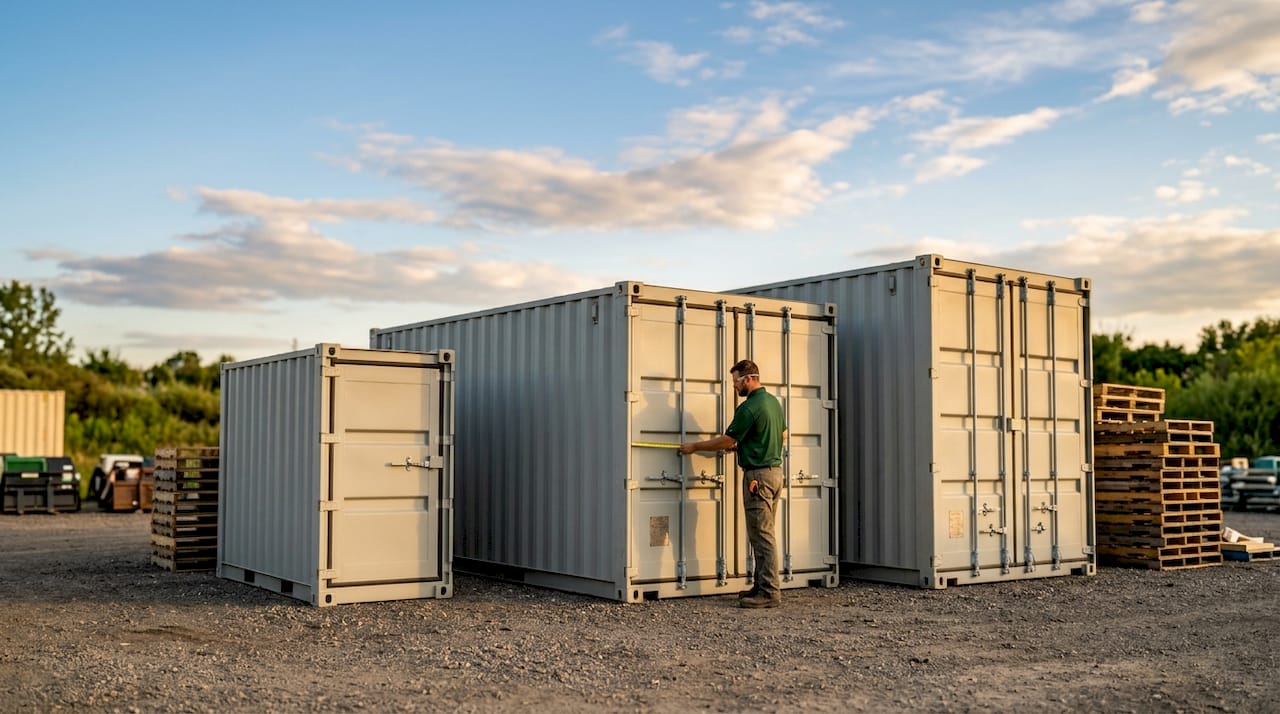
Pro Tip: Measure your largest furniture pieces before selecting a container size. A 20-foot container holds roughly the contents of a three-bedroom home, while a 16-foot unit suits a two-bedroom apartment.
2. Five categories of storage providers for East Coast relocations
Knowing the types of providers available helps you match the right service to your move. Each category offers a different balance of price, convenience, and flexibility.
1. Local, family-operated businesses. Local family-operated businesses across New Jersey, Southeast Pennsylvania, and greater Boston focus on personalized scheduling and direct communication. They tend to be more flexible with pickup and drop-off windows than national chains. That responsiveness matters when your closing date shifts by 48 hours.
2. Dual-access container providers. Some providers offer dual-sided double-door containers that open from both ends. This design lets you load from one side and access packed items from the other without unpacking everything. For long-distance East Coast moves where you need staged access, this feature saves significant time.
3. Transparent-pricing providers. Providers with flat-rate, no-hidden-fee structures let you budget accurately from day one. Flexible rental options with transparent pricing remove the anxiety of surprise charges at the end of your rental period. Always request a written quote that includes delivery, pickup, and any fuel surcharges before signing.
4. Customizable container providers. Containers customized with modifications and accessories turn a bare steel box into an organized, functional space. Shelving units, tie-down anchors, and interior lighting are common add-ons. These upgrades matter most for long-term storage during renovations or extended family transitions.
5. Off-site secure storage facilities. Some providers combine on-site container delivery with the option to store your loaded unit at a monitored facility. This works well when your new property cannot accommodate a container on the driveway, or when a homeowners association restricts on-street storage.
Pro Tip: Ask every provider whether their facility is climate-controlled. The East Coast’s humid summers can warp wood furniture and damage electronics stored in non-climate-controlled units over 30 days.
3. Comparing common storage options for East Coast moves
Not every relocation calls for a mobile container. The table below compares the three most common temporary storage options east coast movers use, using generic category labels.
| Feature | Mobile storage container | Traditional self-storage unit | Portable bin service |
|---|---|---|---|
| Delivery to your home | Yes | No | Yes |
| Self-paced loading | Yes | Yes | Limited |
| On-site storage option | Yes | No | Sometimes |
| Weather-resistant construction | Yes | Varies | Varies |
| Transport included | Yes | No | Yes |
| Typical use case | Full household moves, renovations | Long-term archiving | Small loads, short gaps |
| Pricing structure | Flat rate, size-based | Monthly unit rental | Per-bin, per-trip |
| Access flexibility | High | High | Low |
Mobile containers win on convenience for most full-household relocations. Traditional self-storage units remain cost-effective for long-term archiving of items you rarely need. Portable bin services suit small loads or short gaps between move-out and move-in dates.
4. Tips for choosing the right storage solution for your move
The right storage choice depends on four factors: duration, volume, access needs, and budget. Getting these wrong costs you money and time.
- Duration. Short-term storage addresses gaps between move-out and move-in dates, including closing delays, renovations, and family transitions. If your gap is under 30 days, a mobile container on-site is almost always the most cost-effective choice.
- Volume. Estimate your load by room count. A studio apartment fits a 6-foot to 8-foot unit. A four-bedroom house typically needs a 20-foot container. Overestimating by one size tier is cheaper than renting a second unit last minute.
- Access needs. If you need to retrieve items during storage, choose a provider with dual-door access or a facility with drive-up access. Containers stacked at off-site facilities often require advance notice for access.
- Pricing transparency. Request an itemized quote covering delivery, rental period, pickup, and any mileage fees. Providers with no hidden fees save you from budget surprises at a stressful time.
- Timing coordination. Align your container delivery date with your packing start date, not your move-out date. You want at least five to seven days of loading time built into your schedule.
Understanding why East Coast relocations are complex helps you plan buffer time into every stage, including storage logistics.
5. How to integrate storage into your moving timeline
A storage container does its best work when it fits inside a well-structured moving timeline. Dropping it in at the last minute creates the same bottlenecks you were trying to avoid.
- Schedule container delivery two weeks before move-out. This gives you time to pack non-essentials first, like off-season clothing, books, and decorative items, without disrupting daily life.
- Pack in reverse priority order. Load items you need last at the back of the container and items you need first at the front. This eliminates frantic searching on move-in day.
- Communicate pickup windows clearly. Coordinating container delivery and pickup timing is critical to avoiding moving day bottlenecks. Confirm your pickup window in writing at least 72 hours in advance.
- Use storage to bridge lease or closing gaps. Containers remaining on-site or transported to facilities based on your timeline remove the pressure of perfectly synchronized move-out and move-in dates. A two-week buffer is standard for East Coast interstate moves.
- Plan your unloading sequence. When your container arrives at the new property, unload room by room. Start with beds and kitchen essentials so the home is functional within 24 hours.
For renters managing overlapping leases, utility coordination during residential moves pairs directly with storage timing to prevent service gaps at both addresses.
Key takeaways
Mobile storage containers are the most flexible and cost-effective relocation storage option for East Coast moves, provided you plan delivery, loading, and pickup around your actual timeline.
| Point | Details |
|---|---|
| Containers come to you | Mobile units deliver to your property, eliminating trips to a storage facility. |
| Size selection matters | Choose your container size by room count to avoid paying for unused space. |
| Timing is the critical variable | Schedule delivery two weeks before move-out to allow gradual, stress-free packing. |
| Transparency protects your budget | Always get an itemized quote covering delivery, rental, pickup, and fuel fees. |
| Flexibility bridges date gaps | On-site or off-site storage options cover closing delays, renovations, and lease overlaps. |
What I’ve learned about storage timing on East Coast moves
The single most common mistake I see East Coast movers make is treating storage as an afterthought. They book the truck, confirm the new address, and then scramble to find a container three days before move-out. That scramble costs money and creates exactly the kind of chaos that a well-placed container is designed to prevent.
The movers who handle this well do one thing differently: they treat the storage container as the anchor of their moving timeline, not an add-on. They book the container first, build the packing schedule around it, and let everything else fit into that structure. Gradual packing with a container on-site removes the single-day deadline pressure that makes moving feel unmanageable.
Local, responsive providers make a real difference here. A national chain cannot give you a same-week pickup when your closing date shifts. A regional provider with flexible scheduling can. Movecraftmoving specifically vets partners for this kind of responsiveness, because a provider who cannot adapt to a schedule change is not actually flexible, regardless of what their website says.
Customization is underrated, too. Shelving and tie-down anchors inside a container protect fragile items better than blanket-wrapping alone. If you are storing for more than 30 days, the cost of a few accessories is trivial compared to replacing a damaged piece of furniture.
— Info
Movecraftmoving’s approach to relocation storage on the East Coast
Movecraftmoving connects East Coast movers with vetted storage and logistics partners who match your timeline, not the other way around. Whether you need a container on your driveway for two weeks or off-site secure storage for three months, the team builds a plan around your actual schedule.
Pricing is transparent from the first conversation. No surprise fees at pickup, no vague mileage charges buried in the contract. Movecraftmoving’s partners cover the full East Coast corridor, from Maine to Florida, with local operators who know the specific permitting and HOA rules in your area. If you are ready to get your storage sorted before the rest of your move falls into place, request a storage consultation with Movecraftmoving today.
FAQ
What size storage container do I need for a three-bedroom home?
A 20-foot mobile storage container typically holds the contents of a three-bedroom home. If you have large furniture or a garage to clear, size up to a 40-foot unit.
Can I keep a storage container on my driveway during a move?
Yes. Containers stay on-site or move to a facility based on your preference. Check local ordinances and HOA rules before delivery, as some areas restrict on-street container placement.
How far in advance should I book a storage container for an East Coast relocation?
Book at least two to three weeks before your target delivery date. East Coast summer moves, particularly june through august, see high demand and shorter lead times increase the risk of unavailability.
What is the difference between a mobile storage container and a traditional self-storage unit?
A mobile container is delivered to your home for on-site loading and can be transported to your new address. A traditional self-storage unit stays in one location and requires you to haul your belongings there yourself.
Are mobile storage containers secure enough for long-term storage?
Weather-resistant steel containers with secure locks protect belongings from both theft and weather. For items stored longer than 60 days, choose a provider with a monitored, climate-controlled facility.
Recommended
- Why East Coast Relocations Are Complex: 2026 Guide – Move Craft Moving Solutions LLC
- Interstate East Coast Moving Paperwork: 2026 Guide – Move Craft Moving Solutions LLC
- Data Center Relocation Service: What IT Leaders Must Know – Move Craft Moving Solutions LLC
- Full Service vs Partial Service Moving: 2026 Guide – Move Craft Moving Solutions LLC