
Movers won’t move hazardous and flammable materials, batteries and pressurized containers, perishable food, plants, pets, firearms, explosives, and most household chemicals. Carrier policies vary, so always confirm specifics with your mover before packing day. Keep irreplaceables with you, and disclose anything questionable rather than hiding it in a box.
TL;DR:
- Ensure hazardous materials like paint, gasoline, and aerosols are properly disposed of at local waste centers before moving day.
- Lithium batteries, firearms, plants, and perishables must be transported by owners or specialty services, not household movers.
- Oversized items such as pianos or hot tubs require disassembly and specific handling, which must be arranged in advance.
- High-value collectibles and artwork need specialized shipping and valuation coverage to prevent loss or damage.
- Disclose borderline or restricted items early to your mover to avoid delays, legal issues, or outright refusals on the day of the move.
Table of Contents
- Items Movers Won’t Move: The Complete Category Breakdown
- Why Movers Refuse These Items in the First Place
- What to Do With Items Movers Won’t Move
- What to Pack in Your Personal “Move Day” Bag
- Antiques, Artifacts, and Items That Need Special Permits
- Oversized and Awkwardly Shaped Items
- Artwork, Collectibles, and High-Value Fragile Items
- Electronics With Built-In Lithium Batteries
- Alcohol and Other Restricted (But Not Hazardous) Liquids
- The Move Craft Perspective: Screening Out Surprises Before They Happen
- Where to Go Next for Disposal, Donations, and Plant Rules
- Get Ahead of Moving-Day Surprises With Movecraftmoving
- Sources
Items Movers Won’t Move: The Complete Category Breakdown
Every moving company publishes some version of a prohibited-items list, and while the wording differs, the substance rarely does. The categories below cover what you’ll run into with nearly any residential or commercial mover, along with the reason each one gets flagged.
Hazardous and flammable materials. Paint, turpentine, paint thinner, solvents, gasoline, kerosene, aerosol cans, and lighter fluid top nearly every carrier’s banned list. Movers that professional movers generally will not transport flammable, corrosive, explosive, or otherwise hazardous household items, and pool chemicals fall into that same bucket. A sealed can of paint sitting in a hot truck for six hours during a summer move is a real fire risk, not a theoretical one.
Batteries and pressurized containers. Lithium batteries, car batteries, propane tanks, oxygen cylinders, and pressurized aerosol cans all get rejected in most cases. These items can rupture, leak, or short circuit under vibration and temperature swings, which is exactly the environment inside a moving truck.
Perishable foods and refrigerated items. Milk, seafood, and anything open or already thawing won’t make the cut. Movers recommend emptying and defrosting your refrigerator at least 24 hours before the move to prevent spoilage and contamination that can ruin other boxes nearby.
Plants and pets. Houseplants, especially those with soil, often get left behind on long-distance moves, and live animals never go on the truck. Movers won’t load animals for obvious welfare and liability reasons, and some states restrict plant transport entirely to prevent the spread of pests and disease.
Firearms and ammunition. Most carriers won’t transport guns or ammo under any circumstances. Rules vary by state and by company, so check both your mover’s policy and your destination state’s firearm transport laws before you assume anything.
Fireworks and explosives. These are flatly illegal to ship via household movers and represent an obvious safety and legal problem for the crew and the truck.
Cleaning supplies and pesticides. Bleach, pool chemicals, herbicides, and insecticides are corrosive or toxic enough that a leak in transit could damage everything else in the load.
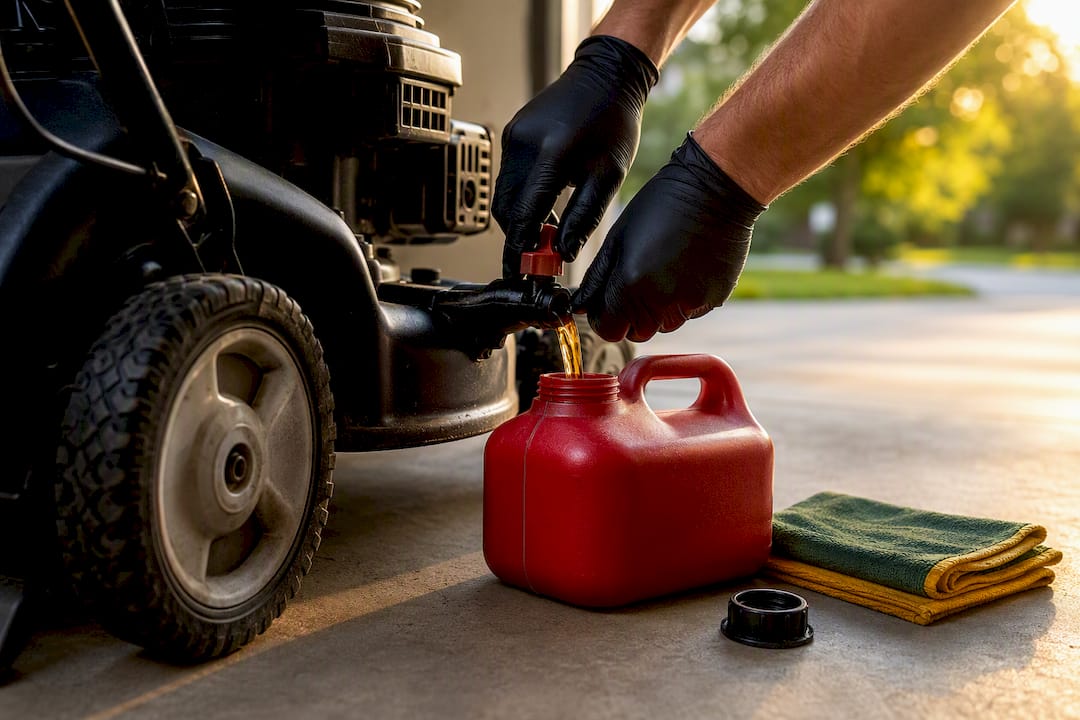
Gas-powered outdoor equipment. Lawnmowers, snowblowers, and generators with fuel still in the tank are a fire hazard. The fuel has to come out first.
Valuables and irreplaceables. Jewelry, cash, passports, medications, original documents, and small electronics should travel with you, not the truck. NerdWallet’s moving guide specifically recommends keeping valuables and important documents with you rather than shipping them.
A few surprising entries also show up on prohibited lists that catch people off guard:
- Wax candles (they melt and can leak)
- Nail polish and remover (flammable liquid)
- Charcoal (classified as combustible)
Check your specific mover’s policy before assuming any borderline item is fine.
Why Movers Refuse These Items in the First Place
The restrictions aren’t arbitrary. Fire, explosion, and chemical exposure put the moving crew and every other item in the truck at risk, and federal hazmat transport rules through the Department of Transportation shape what interstate carriers are legally allowed to load. State plant-quarantine rules add another layer, aimed at stopping invasive pests and disease from crossing state lines.
Insurance plays a bigger role than most people expect. When a hazardous item goes undisclosed and causes damage, carrier liability can be sharply limited, meaning you could be on the hook for damage the mover would normally cover. Perishables create a separate problem: spoiled food attracts pests and can contaminate an entire shipment during a multi-day transit window.
Policy also shifts depending on who’s doing the moving. A local mover crossing town has more flexibility than an interstate carrier bound by federal hazmat regulations, and specialty movers handling pianos or fine art often carry their own separate restriction lists layered on top of the standard ones.
What to Do With Items Movers Won’t Move
Once you’ve flagged the items your mover won’t take, the real work is figuring out where they go instead.
Drain gas-powered equipment like lawnmowers and snowblowers a few days before moving day, running the engine dry rather than just draining the tank. Never hand a mover a fuel-filled machine and hope they don’t notice.
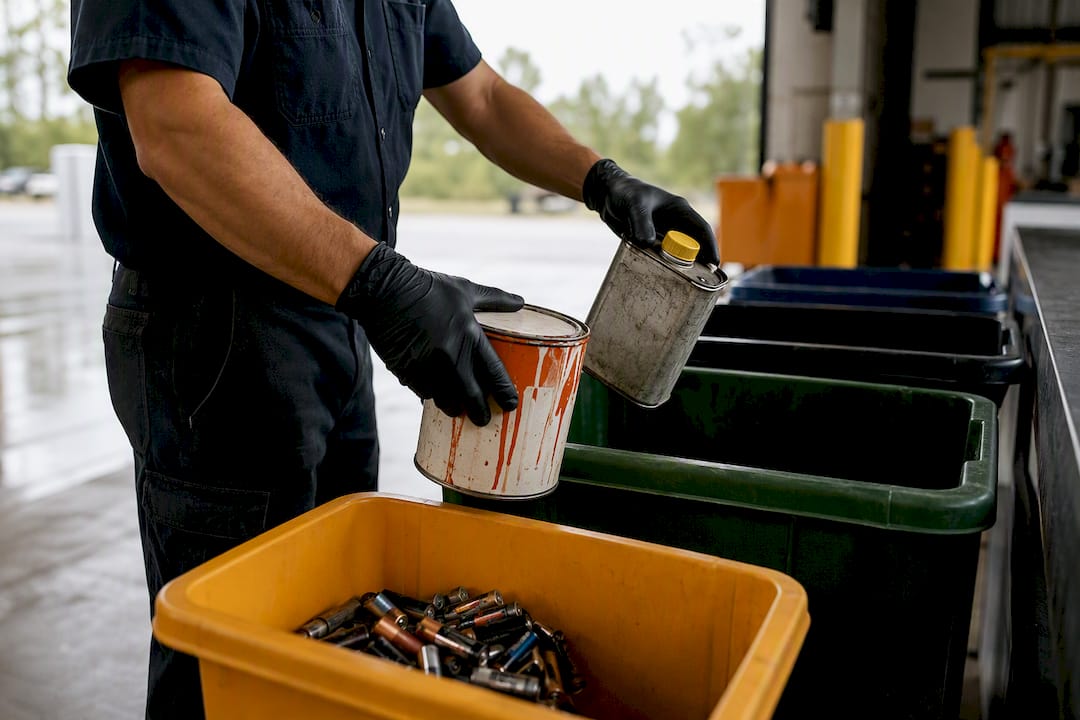
Household hazardous waste centers accept paint, solvents, batteries, and most chemical products for free or a small fee. Most municipalities run seasonal drop-off events, and many hardware stores take back old batteries and paint cans year-round.
For food, donation beats the trash can whenever possible. Move For Hunger coordinates food donations during relocations specifically so nonperishable items don’t end up in a dumpster, though perishables still need to be eaten, given away locally, or discarded before moving day.
For items you’re transporting yourself:
- Pack lithium batteries in their original packaging or a fireproof bag, and carry them in your vehicle rather than checking them anywhere.
- Transport firearms unloaded and locked, separate from ammunition, following your state’s specific transport laws.
- Check the National Plant Board’s state summaries before loading plants into your car for a cross-state move.
- Call a hazmat-certified specialty transporter for large quantities of chemicals or fuel you can’t dispose of in time.
Start this process one to two weeks before moving day, not the night before. A relocation checklist built around segregating prohibited items early gives you time to actually use disposal and donation programs instead of scrambling.
Pro Tip: Photograph anything you’re disposing of or donating before it leaves your house. If a dispute ever comes up about what you owned, that photo is worth more than your memory.
What to Pack in Your Personal “Move Day” Bag
Certain items should never leave your side, and building a dedicated bag for them saves a lot of stress. Include:
- IDs, passports, and property deeds
- Prescription medications in their original bottles
- Jewelry, cash, and spare keys
- Laptops, tablets, and external hard drives with backups already confirmed
Organize with an envelope for documents, a labeled pouch for medications, and a small locked box for jewelry. For sensitive electronics, back up your data before the move and keep a written note of passwords somewhere separate from the devices themselves, not taped to the laptop.
If you’re shipping any valuables despite the advice above, confirm your valuation coverage first. Standard liability coverage rarely reflects what an item is actually worth.
Antiques, Artifacts, and Items That Need Special Permits
Certain antiques and cultural artifacts carry legal weight that ordinary furniture doesn’t. Items containing ivory, certain taxidermy, or pieces tied to protected cultural heritage laws can require permits, export documentation, or proof of legal acquisition before they’re allowed to cross state or international lines.
Most household movers aren’t equipped to handle this paperwork, and many will decline to transport an item once they realize regulatory documentation is involved. If you own something in this category, a family heirloom firearm with historical value, a piece purchased overseas, or an item with unclear provenance, research the applicable regulations before moving day rather than during it.
This is a narrow slice of most moves, but it’s the one where guessing costs the most. A misclassified antique can get seized at a state line or flagged during an interstate shipment, and undoing that after the fact is far harder than sorting it out in advance. When in doubt, consult a specialist in antique transport or an attorney familiar with cultural property law before you pack the item at all.
If your move involves an estate, an inherited collection, or anything acquired outside the country, build in extra lead time. Permits and documentation requests can take weeks to process, and a mover won’t wait around while you sort out paperwork on moving day itself.
Oversized and Awkwardly Shaped Items
Pool tables, pianos, hot tubs, and large gym equipment aren’t technically prohibited, but plenty of general movers will decline them or require disassembly first. The issue isn’t legality. It’s logistics: these items often can’t fit through doorways or stairwells intact, and moving them without the right equipment risks injury to the crew and serious damage to the item itself.
Disassembly changes the calculation. A piano typically needs specialized rigging and padding that standard movers don’t carry. A pool table has to come apart at the slate, which is heavy enough to crack if handled wrong. Home gym equipment with cables and pulleys often needs to be broken down into component parts just to clear a hallway.
Ask your mover directly whether they handle disassembly and reassembly, or whether that’s a separate specialty service you need to arrange. Some general movers subcontract this work; others simply won’t touch the item at all, leaving you to hire a piano mover or pool table specialist independently. For heavy vehicles, trailers, or equipment with an odd center of gravity, improper prep is where things go wrong fastest, a problem covered in detail in this breakdown of what actually goes wrong loading a heavy motorcycle alone.
Get this settled during your initial quote, not the morning of the move. A mover who shows up unprepared for a 400-pound safe or an oversized sectional couch will either charge you extra on the spot or refuse the item outright.
Artwork, Collectibles, and High-Value Fragile Items
Original artwork, wine collections, rare books, and similar collectibles sit in an odd middle ground. Most movers will technically transport them, but many recommend against it because standard valuation coverage rarely matches what these items are actually worth, and a single crack or tear can be a total loss with no real way to reverse it.
Theft risk adds another layer for high-value items sitting in a truck for days during a long-distance move. The safest approach for anything irreplaceable, a family painting, a signed first edition, a wine collection you’ve built over years, is transporting it yourself or hiring an art-specific shipping service that uses climate-controlled crating and custom padding.
If personal transport isn’t realistic, ask about specialty valuation coverage before the item ever leaves your house. Standard released-value protection typically caps reimbursement far below what a genuine antique or original piece is worth, so confirm your full valuation coverage options match the actual value of what you’re shipping. Document everything with photos and, for higher-value pieces, a recent appraisal, before it goes anywhere near a truck.
Electronics With Built-In Lithium Batteries
Standard household batteries are one issue. Laptops, drones, power tools, e-bikes, and other devices with built-in or removable lithium-ion batteries are a different, larger problem for movers, because these batteries can swell, overheat, or ignite if damaged during transit.
Many movers will accept the device itself but ask that larger lithium batteries be removed and transported separately, often by you personally rather than in the truck. E-bikes and larger power tool batteries fall into a gray area many general movers simply decline outright, treating them the same as standalone battery packs.
The safest move is carrying laptops, tablets, phones, and drone batteries with you in your car rather than boxing them for the truck. For larger devices like e-bikes, call your mover ahead of time and ask directly whether they’ll take the battery, the frame, or neither. Airlines have gotten stricter about lithium battery transport in recent years, and ground movers have followed a similar pattern, treating anything with a sizable built-in cell as a conversation to have upfront rather than a surprise on moving day.
Alcohol and Other Restricted (But Not Hazardous) Liquids
Large quantities of alcohol sit in a strange category. It isn’t classified as hazardous the way gasoline or paint thinner is, but plenty of movers restrict or decline it anyway, partly due to state liquor transport laws that vary depending on where you’re moving from and to, and partly because glass bottles break easily and leak into everything nearby.
Wine collections, home bar inventories, and cases of liquor bought for a big move-in party all fall under this umbrella. Some movers will transport a reasonable personal quantity without issue. Others cap what they’ll carry or require it to be boxed and sealed in a specific way. A few decline alcohol entirely, especially for interstate moves where liquor transport across state lines gets murkier.
Ask your mover directly rather than assuming. If they decline, transporting bottled alcohol yourself in a car, packed upright and cushioned, is usually simpler than tracking down a specialty carrier for a case of wine. For a genuinely large collection, treat it the same way you’d treat other valuables: get it appraised if it’s worth real money, and consider a wine-specific shipping service built for temperature control rather than a general household mover.
The Move Craft Perspective: Screening Out Surprises Before They Happen
Most prohibited-item disasters happen because nobody asked the right question early enough. We recommend working with movers who enforce prohibited-items policies strictly, because a mover that cuts corners on hazmat compliance tends to cut corners elsewhere too.
Pre-move screening catches problems while there’s still time to fix them. When you disclose a questionable item during booking rather than the morning of the move, your carrier can flag it, suggest an alternative, or route you to a specialty transporter instead of refusing the item on the truck with boxes already loaded around it.
Our recommendation is simple: when you call your mover, describe anything borderline out loud. Old paint cans, a gun safe, a wine collection, a drone. Let them tell you what’s fine and what isn’t, and get it in writing. That single phone call prevents most of the moving-day standoffs we hear about. For a structured way to work through this before the truck arrives, our relocation checklist walks through exactly which items to flag and when.
— Info
Where to Go Next for Disposal, Donations, and Plant Rules
Check your local municipal hazardous-waste program for paint, chemical, and battery drop-off sites. Confirm interstate plant rules through the National Plant Board before loading anything with soil into your car. For food you can’t take with you, Move For Hunger coordinates donation pickups instead of letting good food go to waste. And always double-check your own mover’s prohibited-items policy, since it can be stricter than the general rules above.
Get Ahead of Moving-Day Surprises With Movecraftmoving
Most of the stress around prohibited items comes from finding out too late, standing in your driveway while a crew tells you they can’t take the propane tank or the wine collection you forgot to mention. This vetting and coordinating of screening conversations before the truck arrives helps ensure restrictions get flagged during planning instead of on moving day.

That matters whether you’re managing a household move or coordinating an office relocation with sensitive equipment and inventory to track. Some moving services connect you with carriers who handle disclosure conversations professionally and can point you toward specialty transporters for items standard movers won’t transport. If your move involves questionable items, high-value belongings, or the kind of complexity that turns into a moving-day argument, start with our relocation checklist and get a quote before you pack a single box.
Sources
- Movers
- What Will Movers Not Move? What Items Are Not Worth Moving – NerdWallet
- Move For Hunger
- National Plant Board — State law & regulation summaries