Florida works best for retirees, remote workers, and anyone who wants beaches over blizzards and can absorb higher insurance costs without blinking. It works worst for people who love four true seasons, get anxious about hurricanes, or can’t stomach a summer electric bill that rivals a car payment. There’s no state income tax, which is real money in your pocket every paycheck. But that savings gets tested by property insurance and cost variation that swings wildly by metro, and Atlantic hurricane season runs June 1 through November 30 every single year without exception.
New residents also face fast-moving paperwork: a Florida driver’s license within 30 days and vehicle registration within 10 of establishing residency. Miss those windows and you’re driving on borrowed time, literally.
Here’s the trade-off in miniature:
- Biggest upside: No state income tax, mild winters, and year-round outdoor living most of the country only gets four months a year.
- Biggest downside: Summer humidity that shuts down outdoor plans by 10 a.m., plus insurance and storm prep costs that can erase a chunk of that tax savings.
Key Takeaways
Florida rewards people who plan for its real costs and climate, and it punishes people who move on the marketing alone.
| Point | Details |
|---|---|
| Run your own cost comparison | Use metro-specific data, not statewide averages, since Miami and Jacksonville differ by 20 percent or more. |
| Visit in summer before deciding | Test the humidity and heat firsthand before you commit to a specific metro or neighborhood. |
| Rent for six to 12 months first | Renting reveals real flood risk, insurance costs, and neighborhood character that a short visit can’t. |
| Get insurance quotes before buying | Homeowners and flood insurance can swing your monthly budget more than the mortgage itself. |
| File homestead exemption by March 1 | Buyers who miss this deadline wait a full extra year for the tax benefit; Move Craft can help coordinate the broader move timeline around it. |
Table of Contents
- What Are the Real Pros and Cons of Living in Florida?
- What Does It Actually Cost to Live in Florida?
- What Is Florida Weather Really Like Year Round?
- Where Should You Live in Florida?
- Should You Rent or Buy First in Florida?
- What Are the Job Prospects and Wages Like in Florida?
- How Good Are Florida’s Schools and Healthcare?
- Is Florida Safe? Crime, Storms, and Flood Risk
- What Paperwork Do You Need After Moving to Florida?
- What Is Everyday Life Like in Florida?
- What Should Your Moving Checklist Look Like?
- What Relocation Specialists Wish Newcomers Knew
- If You’re Planning a Move, How Can Move Craft Help?
- Where Can You Verify These Florida Facts Yourself?
- Frequently Asked Questions About Living in Florida
- Sources
What Are the Real Pros and Cons of Living in Florida?
Florida’s pitch sells itself on climate and taxes. The fine print is where people get surprised.
The upside is genuinely strong for the right person. Consider what you’re actually gaining:
- Eight or more months a year of warm, sunny weather with mild, low-humidity winters.
- No state income tax, which Florida markets heavily as part of its quality-of-life pitch, alongside coastal access and cultural amenities.
- Deep cultural diversity, especially in South Florida, with international food, music, and community life you won’t find in most of the country.
- Access to hundreds of miles of coastline plus inland lakes and springs for swimming, boating, and fishing.
- A steady flow of new residents and businesses, which keeps job markets and social scenes fresh in growth metros like Orlando and Tampa.
Now the parts that catch newcomers off guard:
- Summer heat and humidity that make outdoor activity genuinely uncomfortable from roughly June through September.
- Hurricane and flood risk that drives up insurance premiums, sometimes dramatically, depending on your flood zone and proximity to the coast.
- Traffic congestion in Miami, Orlando, and Tampa that rivals bigger cities, with limited public transit outside a handful of downtown cores.
- Property insurance markets that have tightened statewide, making some homes harder or costlier to insure than buyers expect.
- Seasonal tourist crowds that clog roads and restaurants in coastal areas during peak winter months.
Who tends to thrive: retirees on fixed incomes who want tax relief and warm weather, remote workers who can work anywhere and prioritize lifestyle, boaters and beach lovers, and families who genuinely enjoy heat over cold.
Who often regrets it: people who need four distinct seasons for their mental health, anyone with severe storm anxiety, and buyers who skip insurance research before closing on a house.
What Does It Actually Cost to Live in Florida?
The honest answer: it depends enormously on which Florida you’re picturing. A one-bedroom in Miami Beach and a three-bedroom in Jacksonville are not the same financial planet, even though both are technically “living in Florida.”
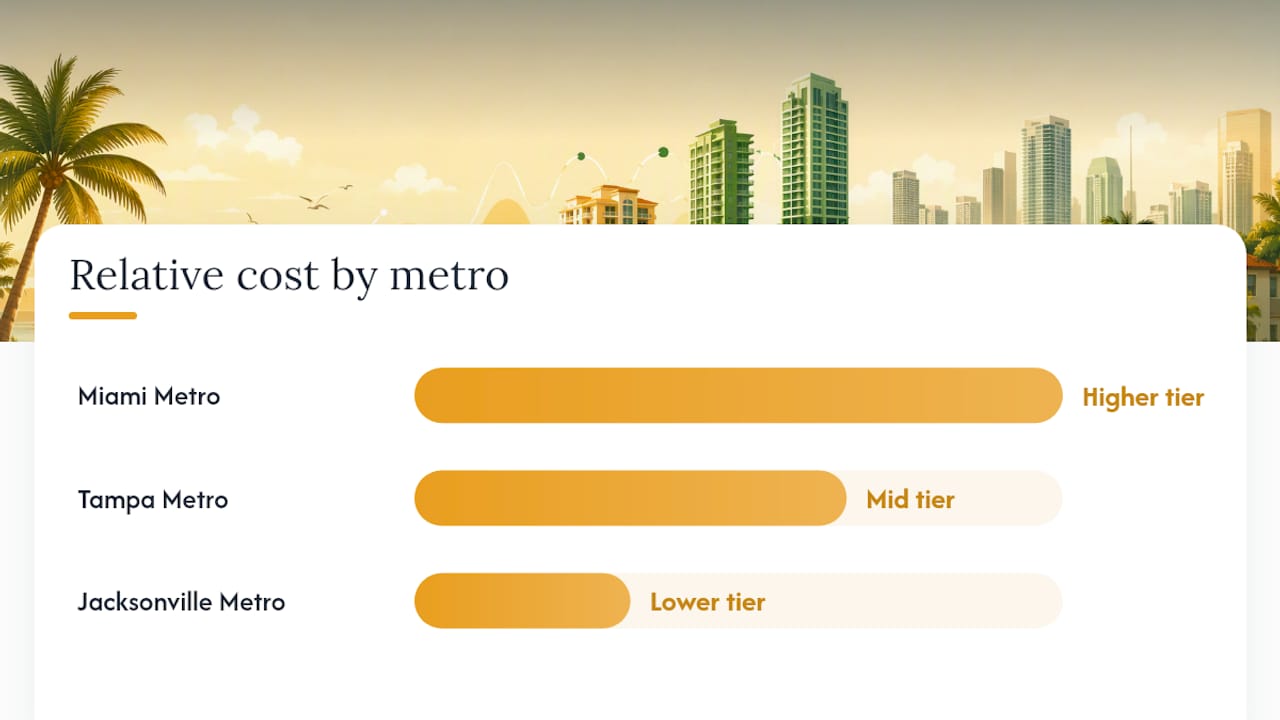
Statewide averages sit slightly above the national baseline, but that number hides massive variation. Miami-Dade can run 20 to 25 percent above the national average in some cost categories, while Jacksonville tracks much closer to, or even below, the national norm. If you’re building a budget, pull actual regional cost-of-living index data for your target metro rather than trusting a statewide figure that flattens huge differences.
Here’s a rough snapshot of what that looks like across three sample metros:
| Category | Miami Metro | Tampa Metro | Jacksonville Metro |
|---|---|---|---|
| Typical 1BR rent | Higher tier | Mid tier | Lower tier |
| Median home price | Highest of the three | Mid range | Most affordable |
| Est. annual homeowners insurance | Highest | Moderate to high | Lower |
Insurance is the line item that surprises people most, and it’s not just homeowners coverage. Auto insurance in Florida runs above the national average statewide because of high litigation rates and storm exposure. Add in property taxes (mitigated somewhat if you file for the homestead exemption by March 1 of the year after you buy and occupy your home), HOA dues in many newer communities, and summer utility bills that spike from air conditioning.
Pro Tip: Get a homeowners insurance quote BEFORE you make an offer on a house, not after. In flood-prone or coastal zones, that quote can swing your monthly budget by hundreds of dollars, and some homes are genuinely hard to insure at any price.
Healthcare is another line item worth modeling honestly. Employer-sponsored insurance costs have climbed nationally, and KFF’s research on employer health benefits shows premium and out-of-pocket burdens that newcomers should factor in regardless of which state they land in.
So can you actually live on $3,000 a month in Florida? In a lower-cost metro like Jacksonville, a single professional renting a modest one-bedroom, driving a paid-off car, and cooking most meals at home can make that work, though it’s tight once you add insurance and a car payment. A family living on $50,000 a year has less room to work with. That budget realistically means renting rather than buying in most metros, skipping HOA communities, and choosing a Central or North Florida location over Miami or the coastal Southwest.
The state also skips personal income tax entirely, making up revenue through sales tax and other levies instead. That shifts your tax burden toward spending rather than earning, which favors savers over big spenders.
Before you commit to a number, run your own math using actual listings in your target neighborhood, real insurance quotes, and your real spending habits. Statewide averages are a starting point, not a budget.
What Is Florida Weather Really Like Year Round?
Florida has two seasons, not four, and understanding that split changes how you plan everything from moving day to your daily routine.
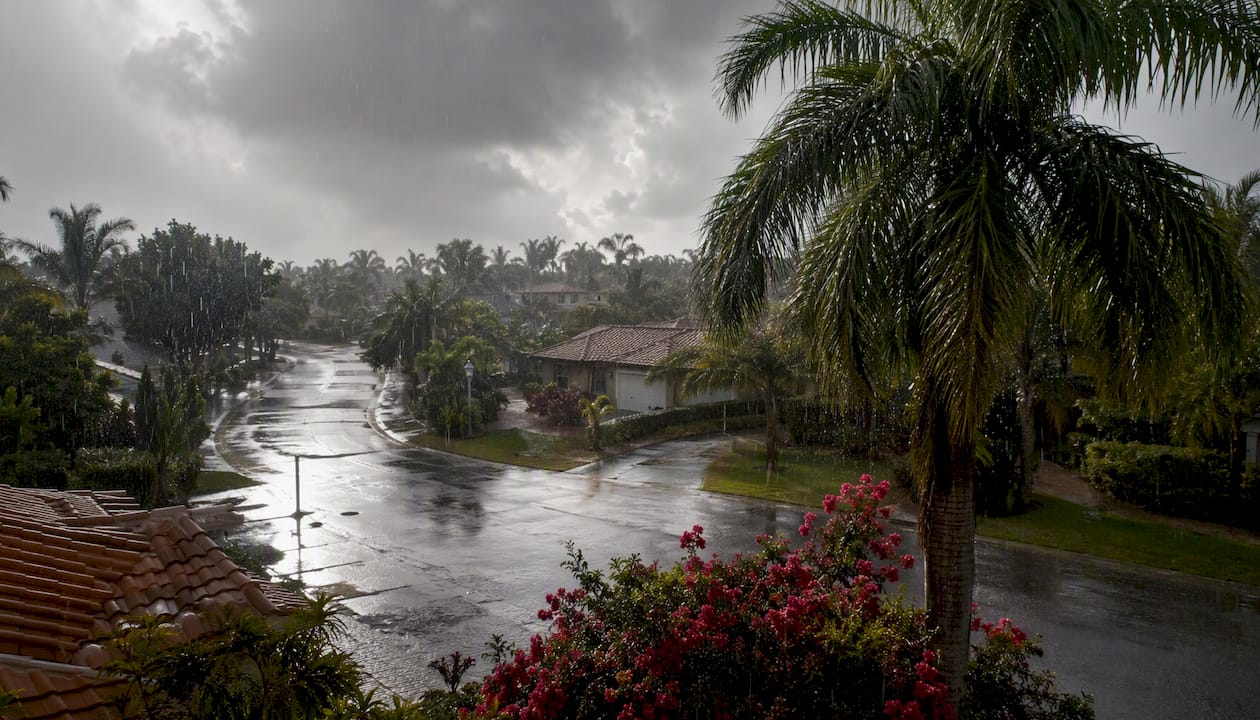
Winter, roughly November through April, is genuinely pleasant: low humidity, daytime highs often in the 70s, and cool but rarely cold nights. This is peak tourist season for a reason. Summer, roughly June through September, is a different world. Humidity climbs to the point where many residents describe a “humidity lockdown,” when stepping outside after 10 a.m. feels like walking into a wall of wet heat. Afternoon thunderstorms roll in almost daily, dumping rain for 20 to 40 minutes before clearing.
Then there’s hurricane season. NOAA defines the Atlantic hurricane season as running June 1 through November 30, with the climatological peak falling between mid-August and mid-October. That peak window is when you want your insurance in place, your hurricane kit stocked, and your evacuation plan already decided, not improvised.
Practical impacts you should plan around:
- Air conditioning runs nearly nonstop from May through September, and summer electric bills commonly jump to $250 to $400+ a month depending on home size and efficiency.
- Afternoon thunderstorms bring real lightning risk, and Florida consistently ranks among the most lightning-prone states in the country.
- Pest pressure increases in the wet season, mosquitoes especially, so factor pest control into your home maintenance budget.
- Outdoor exercise and yard work are best scheduled for early morning, before humidity peaks.
Pro Tip: If you can control your moving date, avoid a July or August move. Not only is it miserable to haul boxes in that heat, you’re also moving during the build-up to peak hurricane season. Aim for a fall or spring window instead.
Where Should You Live in Florida?
Florida isn’t one lifestyle. It’s at least six distinct ones stitched together by a single state government and a shared love of citrus.
Miami metro is dense, international, and expensive. Expect the highest price tier on this list, a finance and trade-driven economy, and vibrant nightlife and culture. Flood risk is elevated in low-lying coastal neighborhoods, and insurance costs reflect that.
Tampa Bay offers a middle ground: strong healthcare and finance job growth, a genuine urban core in downtown Tampa, and beach access nearby in St. Pete and Clearwater without Miami’s price tag. Storm risk is real here too, given the bay’s exposure, but insurance markets are somewhat less strained than South Florida’s.
Orlando and Central Florida run on tourism, theme parks, and an increasingly diverse economy anchored by the Lake Nona medical and research cluster. It’s a strong fit for families thanks to relatively affordable housing and a large stock of newer construction, though summer heat here is intense with less coastal breeze to cut it.
Jacksonville and Northeast Florida are the affordability play. Lower home prices, a large logistics and port-driven job base, and lower insurance costs than the coastal south make this a practical option for budget-conscious movers, with a milder hurricane exposure than the peninsula’s southern tip.
Southwest Gulf Coast (Naples, Sarasota, Cape Coral) skews retirement and upscale, with strong healthcare infrastructure for older residents and gorgeous beaches. It also faces some of the highest flood and wind insurance costs in the state, particularly after recent major storms hit this coastline directly.
Inland and rural Florida (parts of Ocala, Lakeland, and the Panhandle interior) offer the lowest price tiers and lower storm exposure, trading proximity to beaches and big-city amenities for space and affordability.
To narrow your own choice, run through this quick checklist:
- How far are you willing to commute, and does that metro have real alternatives to driving?
- Do you need top-rated public schools, and have you checked county-level ratings specifically?
- What’s your true budget ceiling once insurance and HOA fees are added to the mortgage or rent?
Should You Rent or Buy First in Florida?
Rent first. Almost every relocation advisor will tell you the same thing, and for good reason: a short visit or a few days of house-hunting cannot reveal what six months of actual residency will.
Renting for six to 12 months before buying lets you experience real flood risk (not just what a map claims), the actual traffic pattern on your commute, and the microclimate of a specific neighborhood, since Florida’s weather can vary meaningfully within the same metro. You’ll also get a real feel for insurance costs in that specific area before you’re financially locked into them.
If you do buy, watch HOA fees closely. Many newer Florida communities carry mandatory HOA dues that fund amenities like pools and gated security, but they can also spring special assessments on homeowners for roof replacements or storm damage repairs that weren’t fully covered by reserves. Read the HOA’s financial disclosures before you close, not after.
Flood insurance is a separate policy from standard homeowners insurance, and the distinction matters more in Florida than almost anywhere else in the country. Wind damage from a hurricane is typically covered under your homeowners or a separate wind policy, while flood damage from storm surge or rising water requires its own flood policy, often through the National Flood Insurance Program. Homes in higher-risk flood zones can face steep premiums or, in some cases, difficulty getting insured at all, which can also slow down or complicate your closing timeline.
If you’re buying and plan to make Florida your primary residence, mark your calendar: the homestead exemption must be filed by March 1 of the year following your purchase and occupancy. It reduces your home’s assessed value and caps future increases, which adds up meaningfully over years of ownership. Miss the deadline and you wait a full extra year for the benefit.
Pro Tip: Schedule your move for January through April or October through November if you have any flexibility. You’ll dodge peak moving-company rates tied to summer demand and avoid hauling your life through the state during hurricane season’s most active stretch.
What Are the Job Prospects and Wages Like in Florida?
Florida’s economy runs on a handful of dominant industries, and where you land within the state changes your job prospects substantially.
Tourism and hospitality anchor Orlando and much of the coastline, offering abundant entry-level and management jobs but generally modest wages relative to cost of living in tourist-heavy zones. Healthcare is a strong and growing sector statewide, with particular concentration around the Lake Nona medical cluster near Orlando and major hospital systems in Tampa and Miami. Logistics and port operations drive Jacksonville’s economy, leveraging its deep-water port and interstate access. Finance and international trade dominate in Miami, while Tampa Bay has built a genuine tech and finance corridor alongside its healthcare growth.
Wages don’t always keep pace with cost of living, especially in Miami, where salaries often lag what the same job would pay in a comparably expensive Northeastern city. Jacksonville and inland Central Florida tend to offer a better wage-to-cost ratio, even if the top-line salary numbers look smaller on paper.
Remote workers deserve a separate note. Florida has become a magnet for people who don’t need a local job at all, they need good weather, no state income tax, and reliable internet. These workers cluster less around job centers and more around lifestyle draws: coastal towns, golf communities, and walkable downtowns in cities like Sarasota and St. Petersburg. If you’re relocating a remote career, protecting your productivity during the actual move matters just as much as picking the right neighborhood, and planning around the disruption of moving day is worth doing before your transition, not during it.
How Good Are Florida’s Schools and Healthcare?
School quality in Florida varies significantly by county, not by some statewide standard, which means the specific zip code you choose matters more than the state’s overall reputation. Counties like St. Johns (near Jacksonville) and Seminole (near Orlando) consistently post strong public school ratings, while quality can dip noticeably in other counties even within the same metro area. Before you sign a lease or make an offer, check the specific school zone assignment for that address. School district boundaries in Florida frequently don’t align neatly with city or neighborhood lines.
Healthcare access is strongest in the state’s larger metros, where major tertiary hospital systems and specialty care are concentrated. Miami, Tampa, Orlando, and Jacksonville all host large regional medical centers with a wide range of specialists, while smaller inland and rural communities often require a drive to a larger metro for anything beyond routine care. This gap matters more for retirees and anyone managing a chronic condition, since regional health data and surveillance reporting reflect real disparities in care access across the state’s counties.
Practical steps for families moving with kids: request your children’s immunization and school records from your current district before you leave, confirm your new address’s specific school zone directly with the county school board rather than relying on a real estate listing’s claim, and if anyone in your household has ongoing medical needs, research the nearest specialty care center before you finalize a neighborhood.
Is Florida Safe? Crime, Storms, and Flood Risk
Crime patterns in Florida follow a familiar urban-suburban divide: dense urban cores in Miami, Orlando, and Tampa see higher property and violent crime rates in specific neighborhoods, while surrounding suburbs and smaller cities generally report much lower rates. The lesson here is that “Florida crime” as a statewide statistic tells you almost nothing useful. Pull neighborhood-level crime data for the exact address you’re considering, not a citywide or county average, before you decide where to live.
Storm and flood risk deserve equal weight, and they’re where most newcomers underprepare. FEMA maintains flood zone maps that determine whether flood insurance is required for a mortgage and how risky a specific parcel of land actually is, and local emergency management offices assign evacuation zones that tell you how urgently you’d need to leave in a major storm. Both are worth checking for any address you’re seriously considering, not just skimming once during a house tour.
The Atlantic hurricane season running June through November means every Florida resident should build a basic preparedness routine, whether or not a storm ever directly hits their area in a given year.
A compact hurricane readiness checklist:
- Confirm your flood insurance is active well before hurricane season, since new policies typically carry a waiting period before taking effect.
- Know your home’s official evacuation zone and have a plan for where you’d go if ordered to leave.
- Keep a generator or battery backup plan ready if you’re in an area prone to extended power outages.
- Stock a basic supply kit: water, non-perishable food, medications, and copies of important documents in a waterproof container.
- After a storm, prioritize documenting any damage with photos before cleanup, since insurance claims move faster with clear evidence.
| Point | Details |
|---|---|
| Hurricane season window | Runs June 1 through November 30, with the statistical peak between mid-August and mid-October. |
| Flood insurance is separate | Standard homeowners policies typically don’t cover flood damage; a distinct flood policy is required for that risk. |
| Crime varies by block, not city | Check neighborhood-specific data rather than trusting a citywide crime statistic. |
| Insurance waiting periods are real | New flood policies often take effect after a delay, so buy coverage well before storm season starts. |
What Paperwork Do You Need After Moving to Florida?
The state doesn’t give you much grace on the administrative side. A handful of deadlines start ticking the moment you establish residency, and missing them creates real friction.
Here’s the priority order for your first few months:
- Get your Florida driver’s license within 30 days of establishing residency, bringing proof of identity and two documents showing your Florida residential address. Florida licenses are REAL ID compliant by default, which matters for domestic air travel going forward.
- Register your vehicle within 10 days of establishing residency, a tighter window than the license deadline, so don’t put this off while you’re still unpacking boxes.
- File your homestead exemption by March 1 of the year after you purchase and occupy your primary residence, if you bought rather than rented. This step reduces your assessed value and caps future increases, which compounds in your favor over years of ownership.
- Update your voter registration to your new Florida address, which you can often do at the same DHSMV office visit where you get your license.
- Transfer medical and school records, requesting immunization records and academic files from your previous providers before you lose easy access to them.
- Set up utilities and notify your bank and financial institutions of your new address to avoid delayed statements or fraud alerts triggered by the change.
The homestead exemption deadline in particular trips people up because it feels distant when you’re mid-move, but missing it by even a few days means waiting a full extra year for the tax benefit to kick in.
What Is Everyday Life Like in Florida?
Beyond the spreadsheets and deadlines, day-to-day life in Florida has a texture that’s genuinely different from most of the country, and it’s worth understanding before you commit.
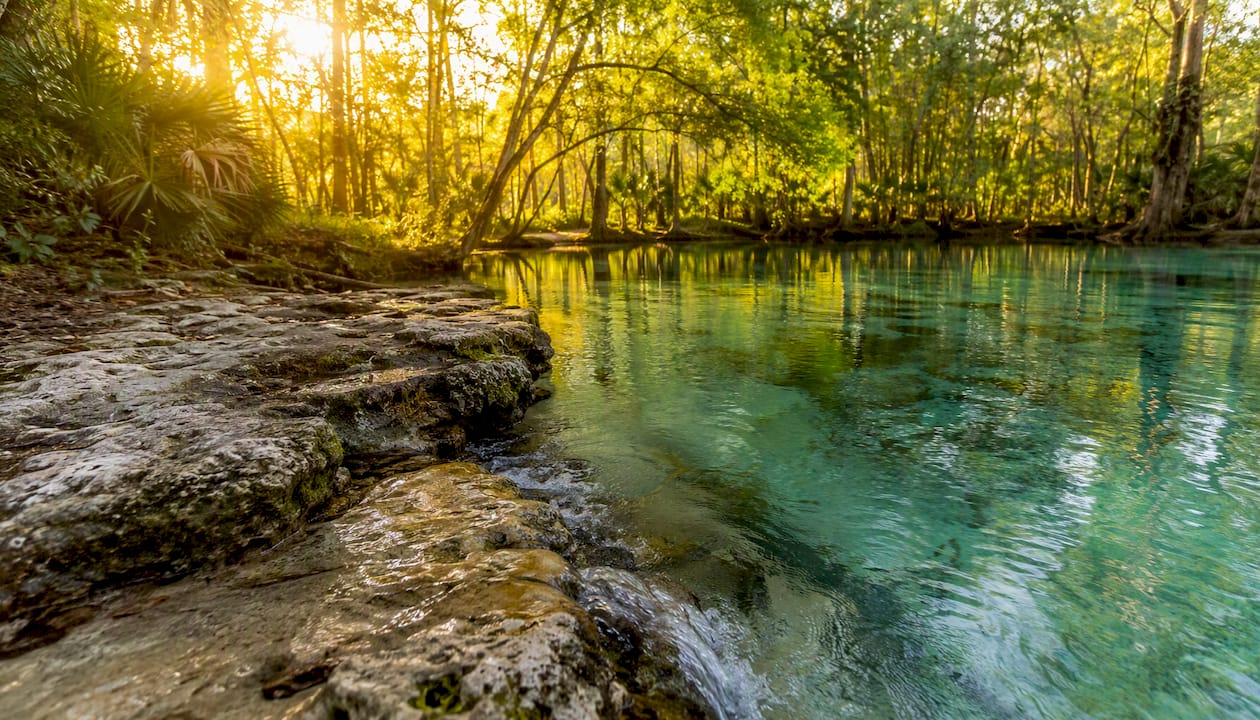
Cultural diversity runs deep, especially in South Florida, where Cuban, Haitian, and broader Latin American influences shape everything from the food scene to the music you hear on a Saturday afternoon. Statewide, Florida’s quality-of-life positioning leans hard on cultural amenities and access to higher education, with dozens of colleges and universities within reach of most residents. Outdoor recreation is where Florida genuinely shines: it’s not just beaches, though there’s plenty of that. State parks and natural springs, Bahia Honda’s clear waters in the Keys among them, give residents year-round access to kayaking, snorkeling, and hiking that most of the country only gets seasonally.
Tourism seasonality shapes daily life more than newcomers expect, especially along the coast. Winter brings snowbirds and vacationers who crowd restaurants and roads in beach towns, while summer sees those same areas quiet down considerably, trading crowds for heat and humidity.
Finding your community takes intention here, since Florida’s transient population means fewer built-in, decades-old social networks than you’d find in a smaller, more static town. Local recreation leagues, church and faith communities, and neighborhood associations tend to be the fastest on-ramps to real social connection, especially in fast-growing suburban areas where most of your neighbors are newcomers too.
What Should Your Moving Checklist Look Like?
Move Craft coordinates household relocations into Florida regularly, and the moves that go smoothly almost always follow a similar rhythm. Here’s the timeline that works.
Eight weeks out:
- Start vetting moving companies, checking for proper licensing, insurance coverage, and reviews specific to long-distance moves rather than local jobs.
- Get written estimates from at least three carriers, and ask each one directly about their full valuation coverage options in case of damage or loss in transit.
- Research your new home’s flood zone and insurance requirements before you finalize a purchase or lease.
Four weeks out:
4. Schedule a home inspection if buying, and separately book a pest control assessment given Florida’s year-round pest pressure.
5. If you’re bringing a vehicle, review how to prepare your car for the long-distance drive, including fluid checks and tire condition.
6. Book an HVAC tune-up for your new home ahead of move-in, since a functioning AC system isn’t optional in Florida’s climate.
Two weeks out:
7. Confirm utility transfer dates so power and water are active before your delivery window.
8. Reconnoiter your new neighborhood in person if possible, checking commute times and grocery access at the hours you’ll actually use them.
9. Review your moving contract carefully for delivery window language. Long-haul moves into Florida often quote a range of days rather than a fixed date, and you want that range in writing.
Moving day and week one:
10. Confirm the crew’s arrival window and walk through your inventory list with them before loading begins.
11. Keep essential documents (insurance policies, IDs, closing paperwork) with you rather than packed in the truck.
12. Once you arrive, prioritize your DHSMV visit for your license and registration within the deadlines already covered above.
Common contract traps worth watching for: vague delivery windows with no penalty for delay, low-ball binding estimates that balloon once the crew sees your actual inventory, and carriers who subcontract your load without disclosing it upfront. Asking direct questions before you hire protects you here more than any amount of online review reading.
Pro Tip: Book your movers and your HVAC tune-up in the same call to your calendar. If your move lands in the shoulder season (spring or fall), you’ll get better rates on both and avoid scrambling for AC service during the first heat wave.
What Relocation Specialists Wish Newcomers Knew
The single most common regret we hear from families moving to Florida isn’t about the heat or the hurricanes. It’s about insurance. People budget for the mortgage, the moving costs, even the furniture for a new house, but they treat insurance as an afterthought until a quote comes back three or four times higher than what they paid in their last state. The smartest clients we work with get insurance quotes before they even make an offer on a house, not after they’ve fallen in love with a listing.
The second pattern we see repeatedly: people who rent for a year before buying almost never regret it, and people who buy sight-unseen based on a single winter visit sometimes do. A Florida summer changes everything about how a neighborhood feels, and you can’t know that from a January vacation.
If you want a relocation partner who handles the logistics side while you focus on the decisions that actually matter, that’s the gap Move Craft’s coordinator role is built to close.
If You’re Planning a Move, How Can Move Craft Help?
Move Craft is the alternative to piecing together your own carrier research, insurance guesswork, and contract review for a move into Florida. We vet carriers for licensing, insurance, and track record before we ever connect you, coordinate delivery timelines so you’re not left guessing when your truck actually arrives, and walk you through insurance guidance so you’re not blindsided by a coverage gap after the fact.

That matters most on a long-distance move into a state with Florida’s specific quirks: hurricane season logistics, flood-prone delivery routes, and a housing market where timing your arrival wrong can cost you real money in storage or temporary housing. Our team has walked enough families through this exact transition to know where the contract traps and scheduling surprises usually hide.
If you’re within a few months of a move, start with a look at the full-service relocation benefits built for families making this exact transition, and request a free quote to see what coordinated, vetted logistics actually cost compared to going it alone.
Where Can You Verify These Florida Facts Yourself?
Deadlines, insurance rules, and flood maps change, and the sources below are where to check current details before you finalize any decision.
| Source | What to check there |
|---|---|
| Florida Highway Safety and Motor Vehicles | Driver’s license and vehicle registration deadlines and required documents for new residents. |
| Palm Beach County Property Appraiser | Homestead exemption filing deadlines and how the exemption affects assessed value. |
| NOAA | Current hurricane season outlooks and storm tracking during active season. |
| Local county property appraiser (your specific county) | Homestead exemption filing specific to your new address, since deadlines and forms are county administered. |
Use DHSMV for anything related to licensing or vehicle registration, your county’s property appraiser office for homestead filing questions, and FEMA’s flood map service for flood zone verification on a specific address. Each of these sources updates independently, so checking the primary source directly beats relying on a secondhand summary, including this one.
Frequently Asked Questions About Living in Florida
Is living in Florida actually cheaper than other states?
It depends heavily on where in Florida you land. No state income tax is a genuine saving, but metro-level costs vary by 20 percent or more, and insurance costs can offset much of the tax benefit, especially near the coast.
How does living in Florida compare to living in California?
Florida has no state income tax while California’s is among the highest in the country, but California generally has lower humidity and hurricane risk. The trade-off is largely tax savings and heat tolerance versus climate variety and storm-free living.
What is the biggest mistake newcomers make when moving to Florida?
Skipping an insurance quote before making an offer on a house. Flood and homeowners insurance costs vary enormously by specific location and can change your monthly budget more than almost any other factor.
Do I need flood insurance if I’m not near the coast?
Not automatically, but inland flooding happens during heavy storms even outside official flood zones. Check FEMA’s flood maps for your specific address rather than assuming distance from the coast means no risk.
Is Florida a good fit for retirees specifically?
Often yes, especially given the tax savings and mild winters, but retirees should weigh rising insurance costs and evaluate healthcare access in their target metro before committing to a specific community.
When is the best time of year to move to Florida?
January through April or October through November tend to offer lower moving rates and avoid the most active hurricane months, making them the smartest windows for a smooth relocation.
This article is general information, not a substitute for advice from a qualified financial advisor. Consult a qualified financial professional about your own circumstances before acting on anything here.
Sources
- Florida Highway Safety and Motor Vehicles — New Residents
- Palm Beach County Property Appraiser — Homestead Exemption
- Select Florida — Why Florida: Quality of life
- Missouri Economic Research and Information Center — Cost of Living Data Series
Recommended
- States with Highest Relocation Rates: 2026 Guide – Move Craft Moving Solutions LLC
- International Moving From Florida: A Complete Guide – Move Craft Moving Solutions LLC
- Full-Service Relocation Benefits for Families in 2026 – Move Craft Moving Solutions LLC
- Why East Coast Relocations Are Complex: 2026 Guide – Move Craft Moving Solutions LLC